
What actually moves the gold price
Gold has no earnings, no dividend and no interest. That single fact explains most of what the price does — and why US inflation data moves it more than anything else.
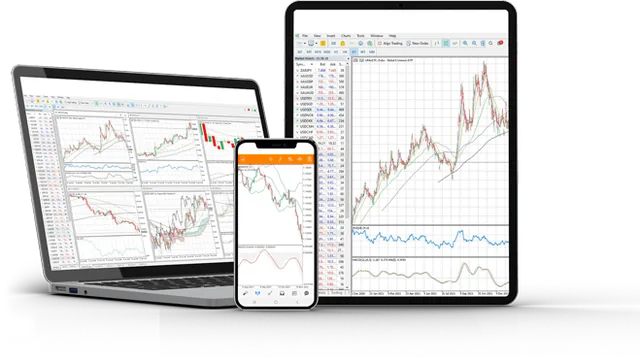
Both platforms
Live chart, on the phone you already have


FSA-licensed broker · Licence SD133
The one relationship worth understanding
Gold pays you nothing to hold it. A US government bond does. So the question any large holder of capital is implicitly asking is: what am I giving up by holding gold instead of something that pays interest?
That cost is the real interest rate — the interest rate after inflation is subtracted. When real rates rise, holding gold becomes more expensive in terms of income forgone, and the price tends to fall. When real rates fall, especially when they go negative, gold becomes relatively more attractive and the price tends to rise.
This is why gold reacts sharply to US inflation data and to Federal Reserve decisions. Neither changes the supply of gold by a single ounce. Both change the real return available on the alternative.
The other three drivers
Gold is priced in dollars worldwide. A stronger dollar makes gold more expensive for buyers holding other currencies, which tends to dampen demand and push the price down. The relationship is not mechanical or perfect, but it is persistent enough to watch.
Gold is where capital goes when it is frightened — conflict, banking stress, a sovereign debt scare. These moves are usually fast, often large, and frequently partly retraced once the initial shock passes. Chasing them late is how traders get hurt.
Central banks have been substantial net buyers of physical gold in recent years. This does not show up on an intraday chart, but it sets the background against which the shorter-term drivers operate.
Trading gold around the data
The releases that matter most for gold are the US Consumer Price Index, the Federal Reserve's interest rate decision and the press conference that follows it, and monthly US employment data. All are published on a known schedule.
In the seconds around these releases, spreads widen sharply and slippage runs in both directions. A stop placed close to the market can be filled at a materially worse price than the level you set. This is a liquidity condition, not a broker charge, and it affects every broker.
The practical approach for most traders is not to predict the number but to wait for the first reaction to settle. The move that follows the initial spike is often more tradeable, and it happens with spreads that have returned to something normal.
Common questions
Why does gold fall when interest rates rise?
Because gold pays no interest. When rates rise, holding an asset that produces no income costs more in forgone return, so demand tends to weaken. What matters is the real rate — the rate after inflation.
Which news releases move gold the most?
US inflation data (CPI), Federal Reserve rate decisions and the following press conference, and US employment figures. All are scheduled in advance and visible on any economic calendar.
Does a stronger dollar always mean lower gold?
Usually, but not always. Gold is priced in dollars, so a stronger dollar makes it more expensive elsewhere. During a serious risk event, gold and the dollar can rise together as both attract safe-haven demand.
Can I trade gold without paying overnight financing?
Yes, on a swap-free account. Islamic status removes the financing charge on positions held overnight, for gold as for any other instrument.