
Trading around scheduled news
Guessing the number is not the hard part. Surviving the thirty seconds after it is published is.
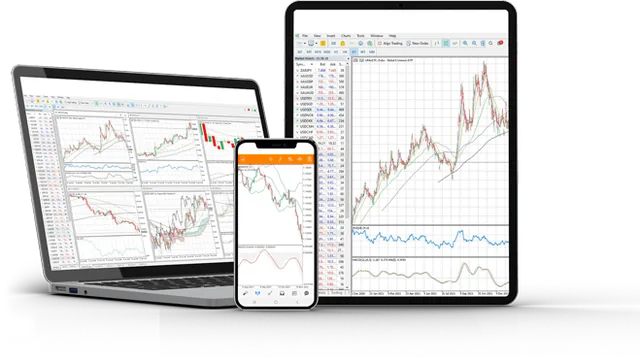
Both platforms
Live chart, on the phone you already have


FSA-licensed broker · Licence SD133
What actually happens at the release
In the seconds around a scheduled figure, liquidity thins out because market makers step back rather than quote into an unknown. Three things follow, and they are mechanical rather than anyone treating you badly.
Spreads widen. Sometimes several times normal, for a few seconds. Your position is marked against the wider spread while it lasts.
Orders slip. A market order takes the price available when it arrives, and in a fast market that is not the price you saw. This cuts both ways — slippage can help you.
Stops can skip. If price jumps a range without trading through it, a stop fills at the next available price, not at your level. That is the risk people discover on their first NFP.
You can be right about the direction and still lose, because you were filled somewhere you did not choose.
The releases that matter here
| Event | Moves | Baghdad time |
|---|---|---|
| US non-farm payrolls | Dollar, gold, indices | First Friday, ~15:30 |
| US CPI (inflation) | Dollar, gold | Monthly, ~15:30 |
| Fed rate decision | Everything | ~21:00, eight times a year |
| US oil inventories | USOIL, UKOIL | Wednesday evening |
| ECB / BoE decisions | EURUSD, GBPUSD | Afternoon |
Three ways people trade it, and what each costs
- Flat before the release. Close, watch, re-enter once spreads normalise. Boring, and it removes the entire category of risk. Most consistent traders do this.
- Hold through with a smaller position. If the position is sized so a gap is survivable, holding is a decision rather than a hope. The sizing is the whole point.
- Trade the release itself. The hardest thing in retail trading. You are competing on execution speed against people who have bought their speed, and the spread is against you at exactly the wrong moment.
The practical rules
Know the calendar for the week before it starts — not because you will trade it, but so nothing surprises you. Any economic calendar shows the times; what matters is knowing which ones touch what you hold.
If you run an expert advisor, know whether it trades through news, because most that are sold do and most that survive do not.
And treat the first reaction with suspicion. Price frequently spikes one way in the first seconds and settles the other. Being fast is not the same as being right.
Common questions
Can I trade during news at TNFX?
Yes, there is no restriction. Expect wider spreads and slippage in the seconds around a release.
Why did my order fill at a worse price during news?
Liquidity thins at the release, so a market order takes the next available price. That is slippage, and it can go either way.
Will my stop loss protect me during news?
Only if price trades through your level. If it jumps the range, the stop fills at the next available price, which can be well past it.
What time is US news in Baghdad?
Most US data lands around 15:30 Baghdad time, and Fed decisions around 21:00. Both shift with US daylight saving.
Should I close positions before a big release?
It is the simplest way to remove the risk entirely. If you hold, size it so a gap is survivable.