
Dollar price in Iraq today
The rate money actually moves at, not the official one. This is the figure TNFX clears deposits and withdrawals at every day, published with the time it was set.
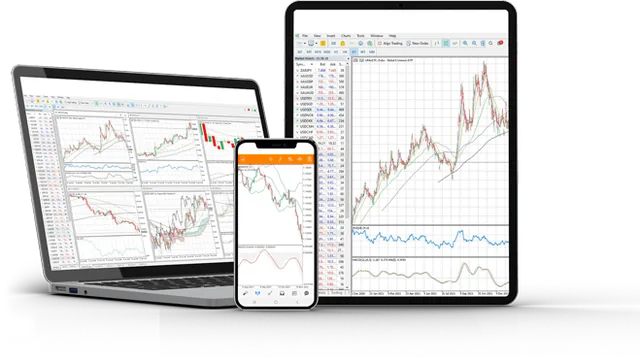
Both platforms
Live chart, on the phone you already have


FSA-licensed broker · Licence SD133
The rate right now
Why this is not the official rate
The Central Bank of Iraq publishes an official rate that has sat near 1,320 for a long time. Almost nobody transacts at it. The rate you get at an exchange, or when you move money in or out of an account, is the parallel or market rate, and the gap between the two has been wide for years.
That gap is the whole story of the dinar, and it is why quoting the official number would be useless. A rate you cannot transact at is trivia.
The figure above is a rate we actually honour. It comes from the same store our deposit desk works from, so it is not a scraped number — it is the price at which real money changed hands today.
Why there are two numbers
Any business that changes money has a spread: it buys dollars at one rate and sells at another, and the difference covers the cost and the risk of holding the position between the two.
We publish both sides rather than the midpoint alone, because the midpoint is the number that flatters a broker and neither side of it is what you actually receive. If you are depositing, the deposit rate is the one that applies to you; if you are withdrawing, it is the other.
Anyone quoting a single rate with no spread is either hiding it or is not moving real money.
What moves the market rate
Dollar supply through the official auction is the largest single factor. When the flow tightens, the parallel rate rises within days.
Compliance pressure on transfers matters just as much. When correspondent banking restrictions tighten, moving dollars legitimately gets harder and the street rate reflects that friction immediately.
Seasonal demand plays a part too — travel, pilgrimage and import cycles all pull on physical dollars.
What does not move it, on any given week, is the official rate. That number changes rarely and by decree.
How this affects your account
Your trading account is denominated in dollars, so the dinar rate matters at exactly two moments: when you deposit and when you withdraw. In between, your balance is unaffected by the dinar entirely.
That has a practical consequence people miss. If you deposit when the rate is high and withdraw when it is lower, you take a currency loss on the round trip that has nothing to do with your trading. Over a short holding period it is usually small; over a year in a moving market it need not be.
Common questions
What is the dollar price in Iraq today?
The figure above, updated with the time it was set. It is the market rate we clear deposits and withdrawals at, not the CBI official rate.
Why is your rate different from the central bank rate?
The official rate is set by decree and has sat near 1,320 for a long time. Almost no transaction happens at it. The market rate is what money actually changes hands at.
Why are the deposit and withdrawal rates different?
Every business that changes money has a spread between buying and selling. We publish both sides instead of only the midpoint, because the midpoint is not what you get.
How often does the rate change?
Our desk reviews it daily and it moves when the market moves. The page shows the time the current figure was set, so you can see how fresh it is.
Does the dinar rate affect my open trades?
No. Your account is in dollars, so the dinar only matters at deposit and withdrawal. Your positions are unaffected in between.
Can I hold my balance in dinars?
Trading accounts are denominated in dollars. The conversion happens when money enters and leaves.